The Art of Luxury Brand Positioning
- Liam Dubeau
- Nov 3, 2025
- 5 min read
Updated: Nov 18, 2025
Luxury brand positioning encompasses the strategic methods brands use to stand out from competitors and create a unique identity in consumers' minds. This positioning is vital, as it directly affects consumer perceptions, buying choices, and brand loyalty.
Luxury brands usually cater to a niche audience ready to invest significantly in products that convey status and quality. Effective positioning strategies resonate with this demographic, fostering emotional connections that extend far beyond the products themselves. For example, a study from McKinsey found that nearly 70% of consumers view luxury purchases as an investment, highlighting the emotional and financial implications of their buying decisions.
Understanding the Luxury Market
The Allure of Exclusivity
Exclusivity serves as a cornerstone in luxury brand positioning. It not only generates a feeling of scarcity but also cultivates desirability, making consumers feel privileged to own such items. Brands achieve this exclusivity through limited product releases and exceptional craftsmanship.
Limited Availability
A common way luxury brands foster exclusivity is by restricting product availability. For instance, Louis Vuitton frequently launches limited edition bags that are available only in select stores, sometimes producing as few as 500 pieces per collection! This scarcity elevates demand and enhances perceived value, positioning these items as must-haves among luxury consumers.
Membership and Invitation-Only Events
Creating a sense of belonging through exclusive memberships and invitation-only events is another powerful tactic. For example, Chanel organizes rare events for top-tier clients, allowing them to preview new collections in luxurious settings. This strengthens customer loyalty and reinforces the brand's status as a luxury leader.
The Psychology of Exclusivity
The appeal of exclusivity also taps into the human desire for status. That shiny new luxury watch or designer purse is often seen as a marker of success. Research shows that 60% of affluent consumers say they choose luxury brands for their specificity and heritage, driven by the allure of being part of an exclusive club.
High Pricing as a Strategy
High pricing is a fundamental component of luxury branding. It might seem strange, but setting a high price enhances a brand's image and desirability. This strategy leverages the idea that high prices often signify high quality.
Perceived Value
Luxury brands meticulously price their products to reflect their perceived value. A designer handbag priced at $2,500 is often deemed more desirable than a similar bag costing $300. The consumer’s perception, backed by the belief that luxury items use superior materials and craftsmanship, justifies the increased expense.
Price as a Status Symbol
In the luxury sector, price functions as a clear status symbol. Brands like Prada and Dior attract consumers willing to pay premium prices that signify exclusivity and prestige. Surveys indicate that nearly 75% of luxury consumers agree that purchasing high-ticket items boosts their social standing.
The Role of Pricing Psychology
Luxury brands employ various pricing strategies to enhance perceived value. For example, using charm pricing, where a product is priced just below a whole number (e.g., $999), draws consumers in while still maintaining a luxurious appeal. Additionally, many luxury brands refrain from offering discounts, as this can undermine their image and perceived exclusivity.
Consistent Branding Assets
Stability in branding is crucial for luxury brands to maintain their esteemed image. This consistency spans logo design, color schemes, packaging, and customer service. A unified brand experience strengthens identity and ensures that consumers find familiarity and reliability across all interactions.
Visual Identity
A robust visual identity is essential for luxury brands. Elements such as an iconic logo, a consistent color palette, and luxurious packaging create a lasting impression. The vibrant red of Ferrari, for instance, is synonymous with speed and luxury and is recognized globally.
Brand Messaging
Consistent brand messaging is equally important. Luxury brands must articulate their values, missions, and unique selling points clearly and cohesively. This messaging should resonate with the target audience, strengthening the brand's position in the luxury market. For instance, Gucci emphasizes its commitment to sustainability alongside its luxury offerings, appealing to a growing demographic interested in ethical consumption.
Customer Experience
Delivering a superior customer experience plays a crucial role in maintaining consistent branding. From the moment a customer steps into a store to after-sales support, every interaction should echo the brand's commitment to quality and exclusivity. This impressive experience builds trust, increasing consumer loyalty over time.
The Intersection of Exclusivity, Pricing, and Branding
The seamless interplay of exclusivity, high pricing, and consistent branding forms a robust luxury positioning strategy. Each element reinforces the others, crafting a cohesive brand image that resonates powerfully with consumers.
Building a Luxury Ecosystem
Luxury brands create an ecosystem where exclusivity, pricing, and branding harmonize. For example, a luxury watch brand may introduce limited-edition timepieces (exclusivity), price them significantly higher than competitors (high pricing), and ensure that the entire customer journey reflects its commitment to quality (consistent branding). This cohesive strategy appeals to consumers who desire distinction in their purchases.
The Role of Storytelling
Effective storytelling is another essential element in luxury brand positioning. Brands that can convey their heritage, craftsmanship, and values forge deeper emotional connections with consumers. A case in point is Rolex, which often emphasizes its long-standing history and commitment to precision, blending storytelling with an emphasis on quality and exclusivity to enhance its image.
The Future of Luxury Brand Positioning
As the luxury market evolves, brands must adjust their strategies to cater to shifting consumer preferences. An increasing focus on sustainability and ethical consumption is reshaping the luxury landscape. A Deloitte report indicates that 71% of luxury consumers say they are influenced by a brand's sustainability practices. Luxury brands that incorporate these values into their positioning will likely thrive.
Final Thoughts
Navigating luxury brand positioning involves balancing exclusivity, high pricing, and consistent branding. By grasping the psychological factors at play and understanding how these elements interact, luxury brands can forge powerful identities that captivate consumers. In a continually evolving market, those who adapt will not merely survive; they will flourish in the competitive landscape of luxury goods.
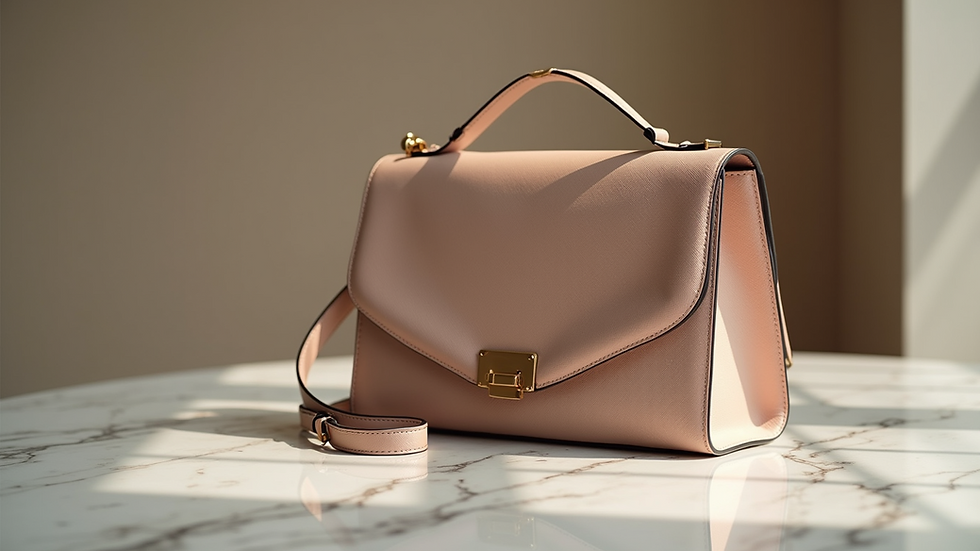
Mastering the art of luxury brand positioning is not solely about selling products; it is about cultivating an experience that inspires aspiration. By blending exclusivity, strategic pricing, and consistent branding, luxury brands continue to engage and enchant their audiences.
The Importance of Digital Presence
In today's digital age, a strong online presence is crucial for luxury brands. Consumers increasingly turn to the internet for information and shopping. A well-crafted website and engaging social media presence can enhance brand visibility and attract a wider audience.
Engaging Content Marketing
Content marketing plays a pivotal role in luxury branding. High-quality content that tells a brand's story can create emotional connections with consumers. Blogs, videos, and social media posts that highlight craftsmanship, heritage, and exclusivity can captivate potential buyers.
Leveraging Influencer Partnerships
Collaborating with influencers can amplify a luxury brand's reach. Influencers often have dedicated followings that trust their recommendations. By partnering with the right influencers, luxury brands can tap into new markets and enhance their credibility.
Conclusion
The landscape of luxury branding is ever-changing. As consumer preferences shift, luxury brands must remain agile and innovative. By focusing on exclusivity, high pricing, consistent branding, and a strong digital presence, they can continue to thrive in a competitive market.


Comments